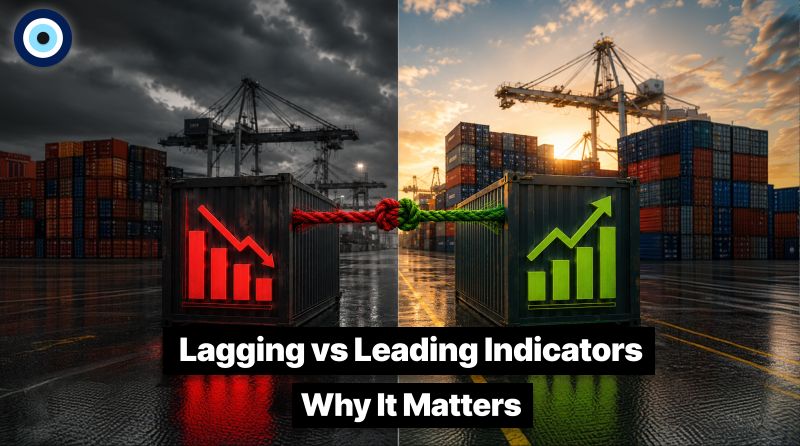
The metrics our industry worships are the ones least equipped to keep us safe.
TRIR. LTIFR. DART rate. These are the numbers our industry has revolved around for three decades.
Today I wanted to talk about why the debate on Lagging vs Leading Indicators Matters.
Dashboards, benchmarks, contract scorecards- they're everywhere. And not one of them tells you whether your terminal will be safe next week.
In my 20+ years in and around container terminals, what do I see?
→ Beautiful TRIR scores presented in boardrooms
→ Lagging metrics carried like trophies in tender documents
→ Hours of monthly reporting on what's already over
→ Scant attention to what's coming next
But lagging indicators measure harm that has already happened. By definition, they flicker only after someone is already hurt. A terminal can carry a beautiful TRIR for three years, then have a single bad year that buries them.
I firmly believe that the metrics that can actually predict safety look different.
→ Near-miss reporting rates (per worker, per month)
→ Time-to-close on investigations
→ Frontline observation participation
→ Stop-work events triggered (and supported)
→ Action items closed within SLA
These are leading indicators. They tell you what's about to happen, not what has already happened. A terminal with great lagging indicators but weak leading ones can’t really feel safe.
At Qavach, we built our platform to surface the leading indicators most terminals don't even capture today. We want to turn patterns into early warnings, not post-incident paperwork.
What's your team going to measure this year - past harm, or future risk?